
Introduction
Water is one of the most essential resources for life, yet in Zimbabwe, access to clean and reliable water remains a challenge. With rising urban population demands, inconsistent municipal supply, and seasonal droughts, many homeowners and businesses find themselves in difficult situations when it comes to securing uninterrupted water access.
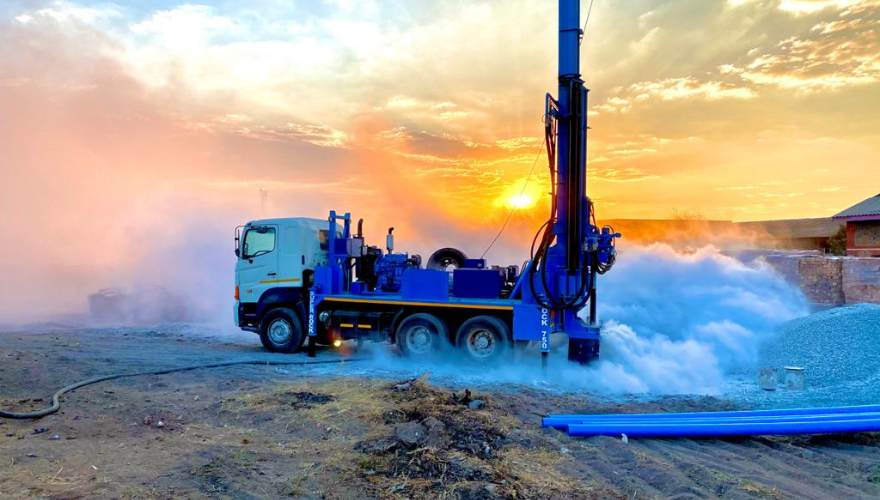
One of the most effective solutions to this issue is borehole drilling, a process that taps into underground water reserves to provide a sustainable and independent water supply. Boreholes ensure continuous access to water while reducing reliance on municipal sources, expensive deliveries, and unreliable seasonal rainfall.
So, why is borehole drilling not just a convenience but a necessity for households and businesses in Zimbabwe? Let’s explore the importance, benefits, and essential considerations before undertaking the drilling process.
The Growing Water Crisis in Zimbabwe
For many households and businesses across Zimbabwe, water shortages have become a daily struggle. While municipal water supply systems exist, they are often unpredictable and insufficient, forcing families and businesses to seek alternative solutions.
Several factors contribute to this crisis:
- Climate Change: Prolonged droughts and erratic rainfall patterns affect natural water sources, leaving many regions with depleted reserves.
- Urban Expansion: As cities grow, the demand for water increases, yet infrastructure development struggles to keep up.
- Aging Water Systems: Many municipal pipelines and reservoirs are outdated, leading to frequent breakdowns and inconsistencies.
As a result, businesses and households often resort to purchasing bulk water deliveries, relying on rainwater harvesting, or even making costly adjustments to their daily operations. Borehole drilling offers an alternative that is both sustainable and economically viable for long-term water security.
Key Benefits of Borehole Drilling
Boreholes provide numerous advantages beyond just convenience. Here’s why drilling a borehole is one of the smartest investments a homeowner or business can make:
1. Reliable & Independent Water Supply
With a borehole, there’s no need to depend on municipal pipelines or water deliveries. A properly drilled borehole ensures self-sufficiency, allowing households and businesses to access water at any time, regardless of supply interruptions.
2. Long-Term Cost Savings
Although the initial borehole drilling cost may seem significant, the long-term financial benefits outweigh the upfront investment. Once operational, a borehole eliminates the need to buy bulk water, reduces dependency on municipal tariffs, and cuts down on operational costs for businesses requiring regular water use.
3. Clean & Natural Water
Borehole water is sourced from deep underground, where it undergoes natural filtration through layers of soil and rock. This often results in higher-quality water, free from common contaminants found in surface sources. With proper purification, borehole water is safe for drinking, irrigation, and industrial purposes.
4. Increased Property Value
A borehole is an asset that adds long-term value to properties, making them more attractive to potential buyers or investors. Having an independent water source enhances sustainability and reduces future costs, which is a valuable feature for both residential and commercial properties.
5. Sustainability & Environmental Impact
Tapping into groundwater reservoirs allows for efficient and responsible water use, reducing strain on municipal systems and surface water sources. With proper management, boreholes are a sustainable alternative that supports eco-friendly living and business operations.
Borehole Drilling for Businesses: A Game-Changer
Beyond residential needs, borehole drilling has major advantages for commercial enterprises. Businesses across various industries depend on consistent water access, making borehole drilling an essential investment in long-term stability.
Industries that benefit include:
- Agriculture: Farms require large amounts of water for irrigation, livestock, and production. Boreholes ensure sustainable water supply even during drought periods.
- Manufacturing & Industrial Operations: Factories often rely on water-intensive processes, making an independent borehole system a cost-effective solution.
- Lodges & Restaurants: Hospitality businesses need reliable water for hygiene, food preparation, and customer services. A borehole ensures uninterrupted operations without reliance on city supply.
For businesses, a borehole is not just about convenience—it’s about ensuring operational stability, reducing financial strain, and promoting sustainable growth.
Things to Consider Before Drilling a Borehole
Before starting the borehole drilling process, several factors should be evaluated to ensure a successful installation:
- Location Feasibility: A geological survey should be conducted to determine whether your property has viable underground water sources.
- Drilling Regulations: Check with local authorities regarding necessary permits and environmental regulations for borehole drilling.
- Maintenance Needs: Boreholes require regular testing and upkeep to maintain water quality and prevent contamination.
- Equipment & Installation: Ensure the use of high-quality materials, including durable pipes and filtration systems, to maximize efficiency.
Conclusion
Borehole drilling is more than an investment—it’s a necessity for securing reliable and sustainable water access in Zimbabwe. Whether for household use, farming, or business operations, boreholes offer independence, cost-efficiency, and long-term stability.
As water shortages continue to impact communities, taking control of your own water source can provide peace of mind and financial relief. Investing in borehole drilling empowers individuals, families, and businesses to access clean water whenever needed.
By securing your own water supply, you’re not just making life more convenient—you’re ensuring a future built on sustainability, resilience, and resource independence.